

 العربية
 English
 français
 Deutsch
 español
 中文
中文
دمج المحولات الدقيقة، والخلايا الكهروضوئية، وأنظمة تخزين الطاقة من أجل طاقة أكثر ذكاءً
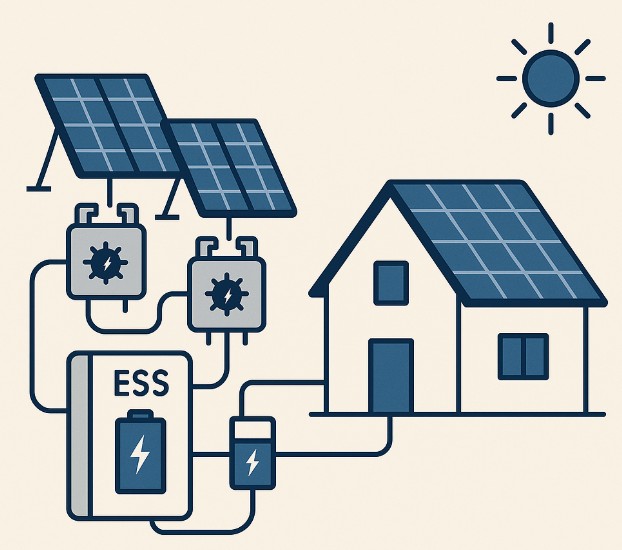
تتطور الطاقة الشمسية لتصبح أكثر ذكاءً. من خلال الجمع بين المحولات الدقيقة ، الألواح الكهروضوئية، و أنظمة تخزين الطاقة (ESS) يمكنك بناء نظام يعمل بكفاءة أعلى ويُنتج الطاقة مع تقليل الهدر. في هذه المقالة، نوضح كيف تعمل هذه التقنيات الثلاث معًا، ولماذا يُعدّ ذلك مهمًا.
لكل جزء دور أساسي. ولكن عند دمجها، تحصل على فوائد إضافية.
تستخدم أنظمة الطاقة الشمسية التقليدية عادةً محولًا واحدًا كبيرًا لجميع الألواح. هذا النظام فعال، لكن له بعض العيوب:
بفضل المحولات الدقيقة، تعمل كل لوحة بشكل مستقل. وهذا يعني:
وهذا يجعل المحولات الدقيقة خيارًا ذكيًا عندما تهتم بالموثوقية والكفاءة.
لا تُنتج الألواح الشمسية الطاقة إلا عندما تُشرق الشمس. لكنك تحتاج إلى الطاقة طوال اليوم، وأحيانًا في الليل. وهنا يأتي دور الطاقة الشمسية. نظام تخزين الطاقة (ESS) يدخل. مع نظام ESS:
عند دمج الخلايا الكهروضوئية مع المحولات الدقيقة ونظام تخزين الطاقة، ستحصل على نظام:
إن الجمع بين كل شيء يوفر مزايا واضحة:
هذا المزيج مناسب لـ:
ينبغي على فني التركيب أو المقاول تصميم النظام بناءً على احتياجاتك من الطاقة وميزانيتك.
يمنحك دمج المحولات الدقيقة والخلايا الكهروضوئية وأنظمة تخزين الطاقة نظام طاقة شمسية فعالاً ومرناً ومستداماً. ستحصل على طاقة أكبر من كل لوحة، وتخزن الطاقة لاستخدامها لاحقاً، وتقلل من تكاليف الكهرباء. يُعد هذا النظام الثلاثي خياراً مثالياً لكل من يسعى بجدية إلى ترشيد استهلاك الطاقة وتحقيق وفورات طويلة الأجل.



 دعم شبكة IPv6