

 العربية
 English
 français
 Deutsch
 español
 中文
中文
لا تقتصر خسائر الكفاءة الصناعية على الجوانب الميكانيكية فقط. فقد يحافظ المصنع على سلامة جميع آلاته، ومع ذلك يفقد الطاقة والقدرة الإنتاجية ووقت التشغيل بسبب التوافقيات والطاقة التفاعلية وعدم توازن التيار ثلاثي الأطوار، وهي أمور لا تظهر أبدًا في قائمة فحص الصيانة.
تُساهم محركات التردد المتغيرة، والمعدات التي تعمل بالمقومات، والإلكترونيات سريعة التبديل في رفع كفاءة الإنتاج، لكنها في الوقت نفسه تُقلل من مرونة الشبكة الكهربائية الأساسية. يتبع هذا المقال منهج المهندس: السبب، والنتيجة، والقياس، والحل، والاختيار، والقيود.
يسحب الحمل الخطي تيارًا على شكل موجة جيبية منتظمة متزامنة مع الجهد؛ أما الأحمال الحديثة فلا تفعل ذلك. تسحب وحدات التحكم في التردد المتغير، ومقومات أنظمة الطاقة غير المنقطعة، ومحركات مصابيح LED، وسخانات الحث، وأجهزة اللحام، تيارًا على شكل نبضات قصيرة، والنبضة هي مجموع ترددات متعددة. يقوم التردد الأساسي بالعمل المفيد؛ أما الباقي فهو تيار توافقي عند رتب توافقية فردية - عادةً الخامسة والسابعة والحادية عشرة والثالثة عشرة، بالإضافة إلى الرتب الثلاثية الأدنى - يشغل سعة الموصل والمحول دون القيام بعمل مفيد.
تحتاج المحركات والمحولات والمحركات ذات الأحمال الخفيفة إلى تيار مغناطيسي لتوليد المجالات المغناطيسية.القدرة التفاعليةيُعدّ ضروريًا ولكنه لا يُنتج أي مخرجات مفيدة، كما أنه يزيد من التيار المسحوب لطاقة فعّالة معينة: يمكن للمحطة أن تعمل عند مستوى منخفضمعامل القدرةبينما لا تزال عداداتها تُشير إلى قدرة فعّالة سليمة. عندما يتغير الحمل بسرعة، لا تستطيع خطوات المكثف الثابتة مواكبة ذلك، وينحرف العامل.
التيار الكهربائي ثلاثي الأطوار، بينما معظم الأحمال أحادية الطور. تتوزع رفوف تكنولوجيا المعلومات، ودوائر الإضاءة، وشواحن أحادية الطور، ومحركات الأقراص الصغيرة بشكل غير متساوٍ على الأطوار. التوافقيات الثلاثية - الثالثة والتاسعة والخامسة عشرة، وكل مضاعف فردي للعدد ثلاثة - هي توافقيات صفرية التسلسل: أي أنها لا تلغي بعضها في السلك المحايد، بل تتجمع. هذا هو تيار التسلسل الصفري الحقيقي في السلك المحايد، والذي غالبًا ما يُحدد حجمه على افتراض أن الأطوار المتوازنة تلغي بعضها.
تولد هذه التيارات حرارة من خلال نفس العلاقة I²R: تزداد الخسائر مع مربع التيار الفعال، ويرفع التيار التوافقي التيار الفعال دون زيادة الناتج المفيد.
تي إتش دي آييُخبرك هذا عن مقدار التشوه الحالي الموجود؛ وتُحدد رتب التوافقيات الفردية نوعه، ويُظهر THDv كيف يظهر هذا التشوه على شكل تشوه في الجهد عند نقطة التوصيل المشتركة (PCC). سجّل معامل القدرة الحقيقي ومعامل قدرة الإزاحة، والقدرة التفاعلية بالكيلوفار، وتيار التسلسل الصفري في الخط المحايد، وقم بالقياس عند نقطة التوصيل المشتركة (PCC) وعند اللوحات التي توجد بها مجموعات التوافقيات غير الخطية، وليس فقط عند المدخل الرئيسي. ديناميكيات الحمل مهمة أيضًا: فالأحمال البطيئة والسريعة ذات التشوه المتوسط نفسه تتطلب معدات مختلفة.
تكمن المشكلة في تركيب محولات التيار في المشاريع. يجب أن تقيس محولات التيار التي تغذي جهاز التعويض تيار الحمل، وليس التيار المصحح مسبقًا، وإلا فلن يتعرف جهاز التحكم على أي خطأ ولن يتخذ أي إجراء. توضع محولات التيار على جانب الحمل من النقطة المراد تصحيحها، ويتم توصيل الجهاز بالتوازي بحيث يغذي فقط المكون المفقود - وهي نفس القاعدة لـمرشح توافقي نشطأومولد المتغيرات الثابتة.
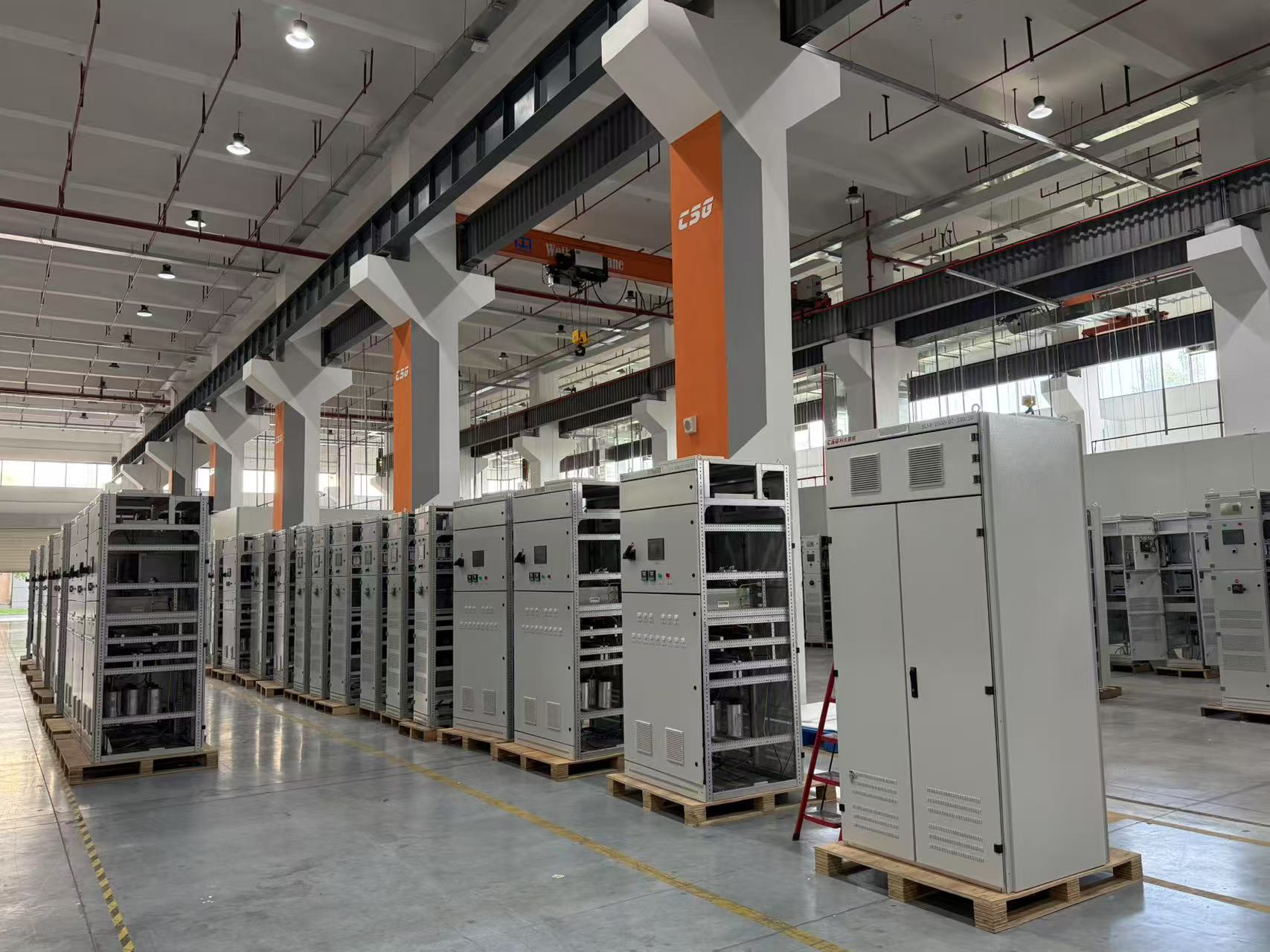
أنAHFتُعدّ هذه التقنية إلغاءً فوريًا للضوضاء في التيار. تقوم محولات التيار بأخذ عينات من الحمل، ويحسب معالج الإشارات الرقمية المحتوى التوافقي في كل دورة، ثم يقوم عاكس مصدر الجهد بحقن تيار تعويضي ذي طور معاكس، مما يلغي التوافقيات عند نقطة الحقن. تستخدم منتجات YT Electric AHF بنية عاكس ثلاثي المستويات، تُقارب الموجة الجيبية بشكل أدق من مرحلة ثنائية المستويات مع فقد أقل في التبديل؛ ويتيح تردد تبديل IGBT العالي للجهاز تتبع الأحمال سريعة التغير، بينما تتحكم عملية ترشيح الخرج في معدل تغير الجهد (dv/dt) عند أطراف العاكس. يمكن أن تشترك عمليات الترشيح والتعويض التفاعلي والموازنة في غلاف واحد.
أنSVGهو عاكس يعتمد على ترانزستور IGBT، يوفر طاقة تفاعلية بشكل متواصل. يقيس التيار التفاعلي ويحقن أو يمتص ما يحتاجه الحمل بالضبط في غضون أجزاء من الثانية، محافظًا على معامل القدرة قريبًا من الواحد، ومصححًا عدم التوازن بدلًا من تبديل مكثفات منفصلة. ولأنه ليس بنك مكثفات، فإنه لا يستطيع تكوين دائرة رنين مع الشبكة - وهو الخيار المعتاد في حالات الأحمال السريعة أو الدورية أو المشوهة بالفعل.
حيث يحتاج الموقع إلى كميات كبيرة من الطاقة التفاعلية بشكل مستمر ولكنه يحتاج أيضاً إلى السرعة،تعويض القدرة التفاعلية الهجينةيجمع هذا النظام بين خطوات المكثف المُبدَّل بالثايرستور (TSC) لقياس القدرة النوعية (kvar) مع مولد إشارة متغيرة (SVG) للضبط الدقيق. وتناسب المرشحات السلبية غير المتوافقة والمفاعلات الخطية الأحمال المستقرة التي تهيمن عليها عائلة توافقية واحدة، وموازن الأحمال النشطيستهدف اختلال التوازن والتدفئة المحايدة.
اقرأ المقارنة مع ملف تعريف الحمل المقاس، وليس بمفردها.
| معيار | AHF | SVG | هجين (SVG+TSC) | مرشح سلبي غير مضبوط | مفاعل خطي |
|---|---|---|---|---|---|
| الوظيفة الأساسية | إلغاء التوافقيات | القدرة التفاعلية الديناميكية | كيلوفار بكميات كبيرة بالإضافة إلى السرعة | امتصاص ثابت | حماية محرك الأقراص |
| تخفيف التوافقيات | طلب حسب الطلب، انتقائي أو كامل | محدود | محدود | أوامر ضبط ثابتة | يقلل من التوافقيات عند المصدر |
| معامل القدرة | بدون خطوات، بشكل متواصل | بدون خطوات، بشكل متواصل | خطوات بالإضافة إلى تحكم دقيق | خطوات ثابتة سعوية | لا أحد |
| الاستجابة لتغير الحمل | دورة تلو الأخرى | أجزاء من الثانية | سريع في جزء SVG | بطيء، وليس ديناميكيًا | غير قابل للتطبيق |
| خطر الرنين | لا أحد | لا أحد | منخفض إذا تم تخفيض النغمة | يحتاج إلى تخفيض النغمة | لا أحد |
| عدم التوازن ثلاثي الأطوار | قابل للتصحيح | قابل للتصحيح | جزء SVG | لا | لا |
| أفضل حمولة مناسبة | أحمال مختلطة مشوهة | أحمال دورية سريعة | قيمة عالية للقيمة المتغيرة، متغيرة | عائلة واحدة مستقرة | محركات بست نبضات |
إجراء تقييم أولي، يتم تأكيده من خلال مسح ميداني، عبر الأسئلة الخمسة التي تحدد الجهاز: الحمل، والملف التوافقي، والطلب التفاعلي، والديناميكيات، والبيئة.
| التحميل / التطبيق | الملف التوافقي | الطلب التفاعلي | الديناميكيات | بيئة | الحل الموصى به |
|---|---|---|---|---|---|
| مضخات ومراوح VFD (ستة نبضات) | النمط الخامس/السابع مهيمن، متوسط إلى مرتفع THDi | قليل | بطيء | غرفة دافئة لمركز التحكم في الاحتراق | AHF، أو مفاعل مزود بمرشح غير مضبوط |
| الروبوتات، التحكم الرقمي بالحاسوب، خطوط المؤازرة | طيف واسع، سريع التغير | قليل | سريع جداً | يتم التحكم في درجة الحرارة | AHF |
| اللحام، التسخين بالحث | تشويه عالٍ ومتقلب | معتدل | سريع جداً | متين، يتحمل درجات حرارة محيطة عالية | نظام هجين SVG+TSC مصنف عند درجة حرارة 45 درجة مئوية مع الحمل الكامل |
| وحدات تزويد الطاقة غير المنقطعة (UPS) في مراكز البيانات ومقومات التيار الكهربائي لتكنولوجيا المعلومات | الخامس، السابع، الحادي عشر، ثابت | قليل | ثابت | التبريد المستمر | AHF |
| شواحن أحادية الطور لتكنولوجيا المعلومات، ومصابيح LED، والمركبات الكهربائية | أوامر مضاعفة ثلاث مرات، تحميل محايد | قليل | عامل | داخلي، موزع | نظام AHF مع موازنة الأحمال |
| ربط المرافق ومحطات الطاقة الشمسية الكهروضوئية | يعتمد ذلك على تصميم العاكس | عالي، استقرائي | عامل | حاوية خارجية | SVG / STATCOM |
اختر بناءً على ما تقوم بتصحيحه. يتطلب تصحيح التشوه الحالي والتوافقيات الفردية استخدام مُحسِّن الترددات التلقائي (AHF)؛ بينما تتطلب القدرة التفاعلية الديناميكية المتغيرة مع الحمل استخدام مُولِّد الترددات المتزامن (SVG). تستخدم المواقع التي تحتوي على كليهما حاوية مُدمجة أو نظامًا هجينًا.
سجّل قيمة THDi ورتب التوافقيات الفردية، وTHDv عند نقطة التوصيل المشتركة (PCC)، ومعامل القدرة الحقيقي ومعامل قدرة الإزاحة، والقدرة التفاعلية بالكيلوفار، وتيار التسلسل الصفري، وسرعة تغير الحمل. حدد الحجم بناءً على تيار الحمل المقاس، وليس على تصنيف المحول.
تقيس محولات التيار تيار الحمل على جانب الحمل من النقطة المراد تصحيحها، ويتم توصيل وحدة AHF أو SVG بالتوازي بحيث تحقن فقط التيار التوافقي أو التفاعلي المفقود. إذا رصدت محولات التيار التيار المصحح بدلاً من ذلك، فلن يكتشف جهاز التحكم أي خطأ وسيبقى الجهاز في وضع الخمول.
تحتاج الأجهزة النشطة إلى تدفق هواء نظيف وفحص دوري للمراوح ووسائط الترشيح ومسارات التبريد؛ كما تحتاج مراحل المكثفات الهجينة إلى فحوصات دورية لحالة المكثفات. يعتمد العائد على تعريفة الكهرباء الخاصة بك، ونظام الغرامات، ونمط الحمل، وساعات التشغيل، لذا احسبه بناءً على بياناتك المقاسة.
ابدأ بمسح جودة الطاقة عند نقطة الربط المشتركة (PCC) وعند لوحات الأحمال غير الخطية الرئيسية، ثم قم بمطابقة الجهاز مع خصائص التوافقيات، والطلب التفاعلي، وديناميكيات الحمل، والمساحة المتاحة. توفر شركة YT Electric أجهزة AHF وSVG والأنظمة الهجينة.جودة الطاقةحلول للتطبيقات الصناعية والخدمية.
أرسل نتائج مسحك – رتب التوافقيات، وقيمة كيلو فار، وملف تعريف الحمل – وسيقوم فريقنا الهندسي بـراجع بيانات جودة الطاقة الخاصة بكونوصي بالتكوين الصحيح لمحطتك.



 دعم شبكة IPv6