

 العربية
 English
 français
 Deutsch
 español
 中文
中文
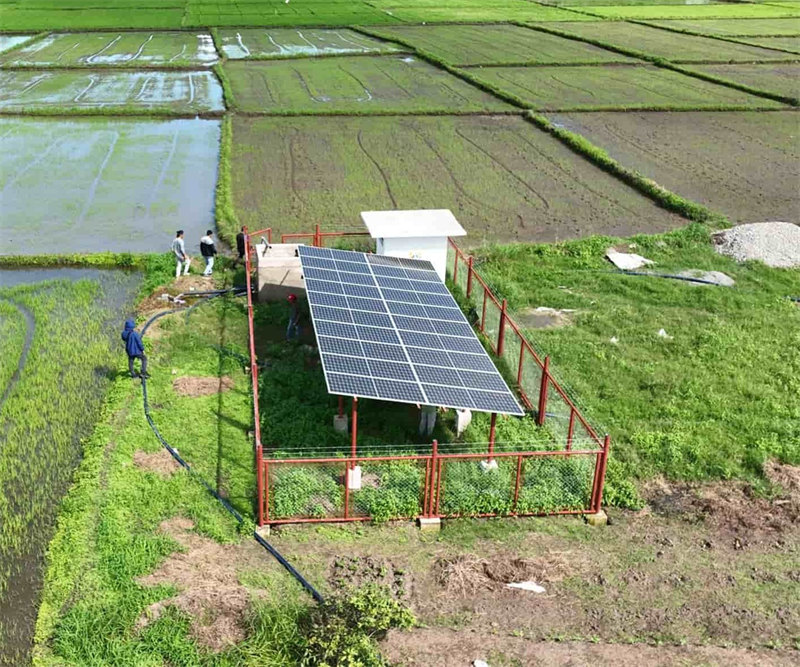
أنظمة الضخ بالطاقة الشمسية أصبحت هذه التقنيات أكثر شيوعاً في الزراعة. تستخدمها المزارع للري، وتوفير المياه للماشية، ودعم البيوت الزجاجية، وإدارة المياه عن بُعد. كما أنها تقلل الاعتماد على الديزل وتساعد في خفض تكاليف التشغيل على المدى الطويل.
تتجه العديد من المزارع الآن إلى تبني مصادر الطاقة المتجددة وتوسيع نطاق تركيبات الطاقة الشمسية لتقليل استهلاك الديزل وتحسين الكفاءة على المدى الطويل. وعند تركيب الطاقة الشمسية للري، فإنها تحتاج أيضاً إلى أداء كهربائي مستقر في جميع أنحاء نظام المضخات.
لكن نظام الضخ الشمسي لا يوفر دائمًا أداءً كهربائيًا مستقرًا بمفرده.
يتغير إنتاج الطاقة الشمسية خلال اليوم، وكذلك الطلب على المياه. وتنتج محركات المضخات والمعدات التي تعمل بالعواكس طاقة تفاعلية وتقلبات في الجهد. وفي بعض الحالات، يؤدي ذلك إلى تشغيل غير مستقر، وانخفاض معامل القدرة، وإجهاد المعدات، وانخفاض كفاءة النظام.
وهنا تبرز أهمية SVG.
أ مولد القدرة التفاعلية الثابتة يُساعد جهاز STATCOM، المعروف أيضاً باسم STATCOM، على استقرار الحالة الكهربائية لنظام ضخ المياه بالطاقة الشمسية. فهو يُحسّن معامل القدرة، ويدعم استقرار الجهد، ويُساعد نظام الطاقة في المزرعة على العمل بطريقة أكثر موثوقية.
تشرح هذه المقالة أهمية تقنية SVG لأنظمة الضخ بالطاقة الشمسية، والمشاكل التي تحلها، ولماذا أصبحت حلاً عملياً لتصميم الطاقة الزراعية الحديثة.
يستخدم نظام ضخ المياه بالطاقة الشمسية الألواح الشمسية لتزويد مضخات المياه بالطاقة. وفي العديد من المشاريع، يتضمن النظام ما يلي:
وحدات الطاقة الشمسية الكهروضوئية
التحكم في العاكس أو محول التردد المتغير
محرك المضخة
خزانة التوزيع
أجهزة الحماية
بطارية احتياطية اختيارية أو نظام هجين احتياطي
تُستخدم هذه الأنظمة على نطاق واسع في الزراعة لقدرتها على العمل في المناطق الريفية والمناطق التي لا تتوفر فيها شبكة الكهرباء. كما أنها مفيدة في المناطق التي تشهد ارتفاعًا في تكلفة الطاقة أو عدم استقرار إمدادات الشبكة.
يمكن لنظام الضخ الشمسي أن يدعم ما يلي:
ري الحقول الزراعية
إمدادات المياه للماشية
أنظمة ري البيوت الزجاجية
تداول مزارع الأسماك
نقل المياه في الأراضي النائية
يبدو النظام بسيطًا من الخارج، لكن السلوك الكهربائي يمكن أن يصبح معقدًا عندما يتغير حمل المضخة أو يتقلب توليد الطاقة الشمسية.
قد يواجه نظام الضخ الشمسي العديد من المشاكل الكهربائية أثناء التشغيل العادي.
محركات المضخات أحمال حثية، وتتطلب قدرة تفاعلية. إذا انخفض معامل قدرة النظام بشكل كبير، تقل كفاءة الشبكة الكهربائية، مما يزيد التيار، ويزيد الضغط على الكابلات والمحولات، وقد يؤدي إلى غرامات من شركات الكهرباء في المشاريع المتصلة بالشبكة.
الطاقة الشمسية ليست ثابتة. فحركة السحب، وشدة ضوء الشمس، وتغير الطلب على المضخة، كلها عوامل تؤثر على الجهد الكهربائي. وإذا أصبح الجهد غير مستقر، فقد لا تعمل المضخة والعاكس بسلاسة.
يتغير الطلب على الطاقة التفاعلية بتغير سرعة المضخة. وهذا أمر شائع في الأنظمة التي تستخدم التحكم بمحرك التردد المتغير. وقد لا تستجيب طريقة التعويض الثابتة بالسرعة الكافية.
عندما يكون معامل القدرة ضعيفاً والجهد غير مستقر، ترتفع درجة حرارة النظام. وهذا قد يُقصر عمر المعدات ويزيد من تكاليف الصيانة.
تصبح هذه المشكلات أكثر وضوحًا في المزارع الكبيرة ومحطات الضخ البعيدة والأنظمة التي تعمل فيها مضخات متعددة في أوقات مختلفة.
SVG يعني مولد المتغيرات الثابتة.
هو جهاز تعويض ديناميكي للطاقة التفاعلية. وتتمثل وظيفته الرئيسية في حقن أو امتصاص الطاقة التفاعلية في الوقت الفعلي. وهذا يساعد النظام على الحفاظ على معامل قدرة مستقر وحالة جهد أفضل.
من الناحية العملية، يعمل مولد الطاقة الشمسية المتغيرة (SVG) كمولد طاقة تفاعلية ثابت للمزارع، وخاصةً عندما تتغير أحمال المضخات خلال اليوم. ويُستخدم على نطاق واسع لتعويض الطاقة التفاعلية للمضخات الشمسية ولتحسين جودة الطاقة المُستمدة من هذه المضخات في المشاريع الزراعية.
على عكس بنك المكثفات التقليدي، فإن مولد الجهد المتغير (SVG) ليس جهاز تعويض ثابت، بل يستجيب بسرعة لتغيرات ظروف الحمل. وهذا ما يجعله أكثر ملاءمة لأنظمة الضخ بالطاقة الشمسية، حيث يمكن أن يتغير كل من توليد الطاقة واستهلاك الطاقة للمحرك على مدار اليوم.
تُستخدم تقنية SVG على نطاق واسع في:
مشاريع الطاقة الشمسية
مصنع صناعي
المناجم
المباني التجارية
الأنظمة ذات الأحمال الحثية المتغيرة
بالنسبة لأنظمة الطاقة الشمسية الزراعية، يعمل SVG كمثبت للطاقة بين جانب العاكس وجانب الحمل.
لا تزال بعض المشاريع تستخدم بنوك المكثفات لتعويض القدرة التفاعلية. قد ينجح ذلك في نظام مستقر، لكن نظام الضخ الشمسي غالباً ما يكون غير مستقر بما يكفي للتعويض الثابت وحده.
في مشاريع الري، يُعدّ نظام SVG فعالاً للغاية في تصحيح معامل القدرة لمضخات الطاقة الشمسية، لأنه يستجيب بشكل أسرع من حلول المكثفات الثابتة. كما أنه يُعدّ من أكثر حلول جودة الطاقة الشمسية العملية للمزارع، خاصةً في المواقع المتأثرة بتغيرات ضوء الشمس واستهلاك الطاقة.
الأسباب الرئيسية واضحة.
يستجيب نظام توليد الطاقة الشمسية (SVG) في أجزاء من الثانية. فعندما يتغير الطلب على المضخات أو ينخفض توليد الطاقة الشمسية فجأة، يقوم نظام توليد الطاقة الشمسية (SVG) بتعديل الطاقة التفاعلية على الفور تقريبًا.
توفر مجموعة المكثفات تعويضًا متدرجًا أو ثابتًا. بينما يوفر مولد الجهد المتغير (SVG) تعويضًا ديناميكيًا مستمرًا. وهذا مفيد عندما يتغير حمل المضخة بشكل متكرر.
لا يقتصر دور تقنية SVG على تحسين معامل القدرة فحسب، بل تدعم أيضاً استقرار الجهد، وهو أمر بالغ الأهمية بالنسبة لتمديدات الكابلات الطويلة والتركيبات الزراعية في المناطق النائية.
قد يختلف أداء نظام الضخ الشمسي في الصباح والظهيرة وأواخر فترة ما بعد الظهر. ويواكب نظام SVG هذه التغييرات بشكل أفضل من الحلول الثابتة.
لهذا السبب، غالباً ما يكون نظام سانت فنسنت وجزر غرينادين هو الخيار الأفضل عندما يكون استقرار العمليات الزراعية أهم من مجرد التعويض منخفض التكلفة.
في نظام الضخ الشمسي، يقوم جهاز SVG بمراقبة الجهد والتيار في الوقت الحقيقي.
يدعم نظام SVG استقرار الجهد في أنظمة الضخ بالطاقة الشمسية من خلال ضبط القدرة التفاعلية في الوقت الفعلي. في المشاريع المتصلة بالشبكة، يساعد هذا النظام الكهربائي على العمل بسلاسة أكبر ويقلل من مخاطر انخفاض الجهد وضعف الأداء على أطراف شبكة الطاقة.
عندما يسحب محرك المضخة طاقة تفاعلية أكبر، يقوم مولد الجهد المتغير (SVG) بتعويض الطاقة التفاعلية. وعندما تتغير الحالة الكهربائية، يقوم بتعديل نفسه مرة أخرى. هذا يحافظ على النظام أقرب إلى معامل القدرة المستهدف ويقلل من الإجهاد غير الضروري.
والنتيجة هي حالة تشغيل أكثر استقرارًا لـ:
محول الطاقة الشمسية
محرك القيادة
المحول
محرك المضخة
مسار التوزيع الكهربائي الكامل
من الناحية العملية، يساعد نظام SVG النظام على البقاء متوازناً بينما يستمر الطلب على الطاقة الشمسية والمضخات في التغير.
يتطلب ضخ المياه تشغيلاً موثوقاً. قد تؤدي الأعطال المفاجئة أو عدم استقرار أداء المحرك إلى انقطاع الري والتأثير على إنتاج المحاصيل. يساعد نظام SVG في الحفاظ على استقرار النظام الكهربائي، مما يسمح للمضخة بالعمل بسلاسة أكبر.
يساهم معامل القدرة الجيد في تقليل الطاقة المهدرة في النظام، كما يخفف من إجهاد التيار ويحسن الكفاءة العامة. وفي أنظمة المزارع المتصلة بالشبكة، قد يساعد ذلك أيضًا في تجنب غرامات شركات الكهرباء.
يُعدّ تذبذب الجهد مشكلة شائعة في المنشآت الريفية. ويساعد نظام SVG في الحدّ من هذه المشكلة من خلال دعم التحكم الديناميكي في القدرة التفاعلية.
عندما يكون التيار منخفضًا ويعمل النظام بالقرب من ظروف التشغيل المثلى، تقل أيضًا الخسائر في الكابلات والمحولات. وهذا يحسن الاستخدام الكلي للطاقة الشمسية المتاحة.
يؤدي الإجهاد الكهربائي إلى تقصير عمر المعدات. وتساعد جودة الطاقة الأفضل على تقليل ارتفاع درجة الحرارة في المحركات والمحولات الكهربائية ومفاتيح التوزيع والكابلات.
تعمل العديد من المزارع بعيدًا عن شبكات الكهرباء القوية. في ظل ضعف الشبكة أو في المناطق النائية، يصبح دعم الطاقة التفاعلية المستقر أكثر أهمية. يساعد نظام SVG على تحسين أداء نظام الضخ الشمسي في هذه المواقع.
يمكن لتقنية SVG أن تدعم العديد من التطبيقات الزراعية التي تستخدم أنظمة الضخ بالطاقة الشمسية.
تستخدم أنظمة الري الكبيرة عادةً محركات مضخات تعمل وتتوقف حسب الطلب على المياه. ويتغير الطلب على الطاقة التفاعلية مع التشغيل. ويساعد نظام توليد الطاقة المتغيرة (SVG) في الحفاظ على استقرار الطاقة خلال هذه التغيرات.
بالنسبة للمزارع المروية، يُعد الحفاظ على معامل قدرة قوي للري الشمسي أمرًا بالغ الأهمية لضمان الكفاءة واستقرار التشغيل. ولهذا السبب، يختار العديد من المطورين تقنية SVG لأنظمة الطاقة الشمسية الزراعية عندما يرغبون في تحسين جودة الطاقة وأداء النظام بشكل عام.
يجب أن يكون ضخ المياه للماشية موثوقاً. ويقلل النظام الكهربائي المستقر من خطر انقطاع المضخة في المناطق النائية.
تعتمد البيوت الزجاجية على الري المُتحكم به والمعدات المساعدة الثابتة. قد يؤثر انخفاض الجهد الكهربائي على العملية برمتها. يساعد نظام SVG في الحفاظ على استقرار النظام.
تستخدم بعض المواقع عدة مضخات موزعة على مناطق حقلية مختلفة. ومع تغير تركيبات المضخات، يتغير معامل القدرة أيضاً. يوفر نظام SVG تعويضاً مرناً لهذه الظروف المتغيرة.
قبل إضافة نظام SVG إلى نظام ضخ الطاقة الشمسية، يجب مراجعة المشروع بشكل صحيح.
تشمل العوامل المهمة ما يلي:
تصنيف محرك المضخة
تكوين العاكس أو محول التردد المتغير
مستوى الجهد
تغير الحمل بمرور الوقت
مسافة الكابل
حالة المحول
عامل القدرة المستهدف
الاتصال بالشبكة أو الإعداد خارج الشبكة
خطط التوسع المستقبلية
هذا أمر مهم لأن حجم SVG الصحيح يعتمد على الطلب الحقيقي للطاقة التفاعلية للنظام، وليس فقط على لوحة اسم المضخة.
تساعد مراجعة التصميم المناسبة على ضمان أن يوفر ملف SVG تعويضًا مفيدًا بدلاً من أن يصبح جهازًا كبيرًا جدًا أو صغيرًا جدًا.
تستخدم المزارع الحديثة تقنيات كهربائية أكثر من ذي قبل، ويشمل ذلك:
الري الآلي
التحكم في سرعة المضخة المتغيرة
أنظمة البيوت الزجاجية
أنظمة الطاقة الشمسية الهجينة
أجهزة المراقبة عن بعد
معدات المعالجة والتخزين
مع ازدياد هذه الأنظمة، يصبح السلوك الكهربائي أكثر ديناميكية. وقد لا تكون طريقة التعويض الأساسية كافية بعد الآن.
لهذا السبب، تزداد أهمية نظام SVG في تصميم الطاقة الزراعية. فهو يدعم التحول نحو الزراعة الحديثة التي تعمل بالطاقة الشمسية من خلال جعل الجانب الكهربائي أكثر استقرارًا وكفاءة وقابلية للتكيف.
قد يعاني نظام الضخ الشمسي من ضعف معامل القدرة، وتقلبات الجهد، وتغيرات في الطلب على الطاقة التفاعلية. يساعد نظام SVG على استقرار هذه الظروف في الوقت الفعلي.
نعم، في العديد من التطبيقات ذات الأحمال المتغيرة. يستجيب نظام SVG بشكل أسرع ويوفر تعويضًا ديناميكيًا، وهو ما يناسب بشكل أفضل تغير ظروف الطاقة الشمسية والمضخات.
نعم. في الأنظمة البعيدة، يمكن أن يؤدي استقرار الجهد ودعم الطاقة التفاعلية إلى تحسين موثوقية المضخة وتقليل إجهاد النظام.
يمكن أن يساعد ذلك في تقليل الإجهاد الكهربائي، وارتفاع درجة الحرارة، وظروف التشغيل غير المستقرة، مما يدعم عمرًا أطول للمعدات.
يُعدّ نظام الضخ الشمسي حلاً فعالاً للزراعة الحديثة، لكن جودة الطاقة المستقرة لا تزال ضرورية لضمان التشغيل الموثوق. فضعف معامل القدرة، وعدم استقرار الجهد، وتغير الطلب على الطاقة التفاعلية، كلها عوامل قد تُقلل من الكفاءة وتزيد من الضغط على المعدات.
يحل نظام SVG هذه المشكلة من خلال توفير تعويض سريع وديناميكي للطاقة التفاعلية.



 دعم شبكة IPv6